

Greece Volunteer Vacation FAQs
Global Volunteers has been working at various locations in Greece since 1996, with our program in Gazi initiated in summer 2005. Working in partnership with local people on long-term community projects is foundational to our relationship with host organizations worldwide. Our investments of volunteer service, program support and international recognition are hallmarks of our commitment to this partnership.GETTING THERE
When should I arrive in and depart from the host country?
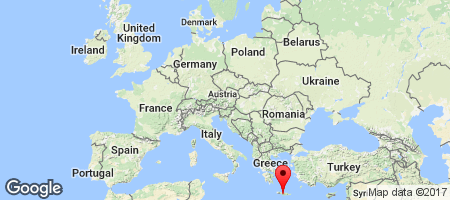
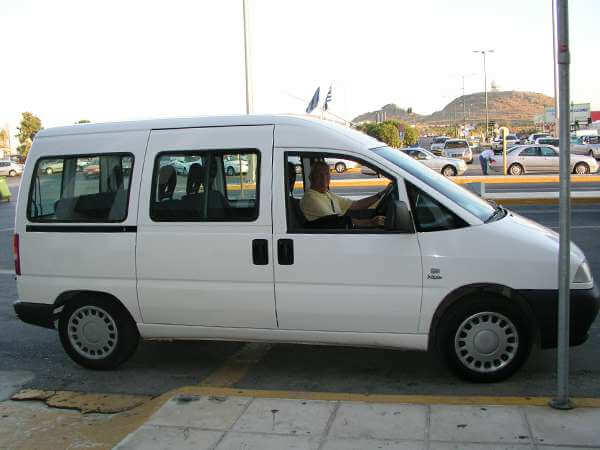
Please plan your flight to arrive at the Iraklion International Airport (airport code HER), before 8:15 PM on the first day of your service program. Provided that you submit your flight information to us, your team leader will be at the airport to meet you from 4:00 PM to 8:30 PM (allowing for 8:15 PM arrivals to clear through customs). Plan your departure from Iraklion for after 7:00 AM on the final day of your service program. This coordinated schedule will assist in assembling the team for transportation to the host community. Global Volunteers' service program commences on the first Saturday of your service program with the evening meal.
Will someone meet me at the airport?
Yes, provided you send your flight itinerary to Global Volunteers at least two weeks in advance of the service program arrival date. Your team leader will meet you in the public area outside Customs at the airport and will be holding a Global Volunteers sign. You'll travel with your teammates to the program site.
What should I do if my flight is delayed?
Please notify Global Volunteers as soon as you confirm your new arrival plans so your team leader can arrange your transportation to the host community.
How late can I arrive in the host community?
Our orientation sessions are a critical component of the preparation for your assignments. If circumstances beyond your control prevent you from reaching the program on the opening day of the program, we require that you arrive no later than 9:00 AM on the following day so you can join your team for these sessions.
What should I do if I arrive before the scheduled arrival date?
If you choose to spend time in Greece before the service program begins, we ask that you not proceed to the host community without your team leader. You may meet your team at the airport within the designated arrival window on the first day of the service program.
FOOD AND LODGING
What type of lodging is provided?
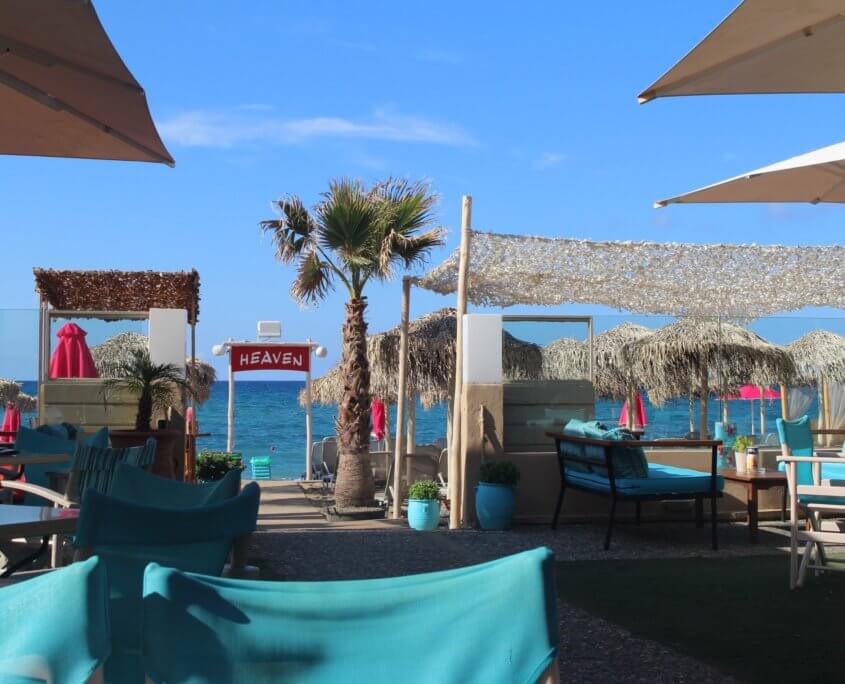
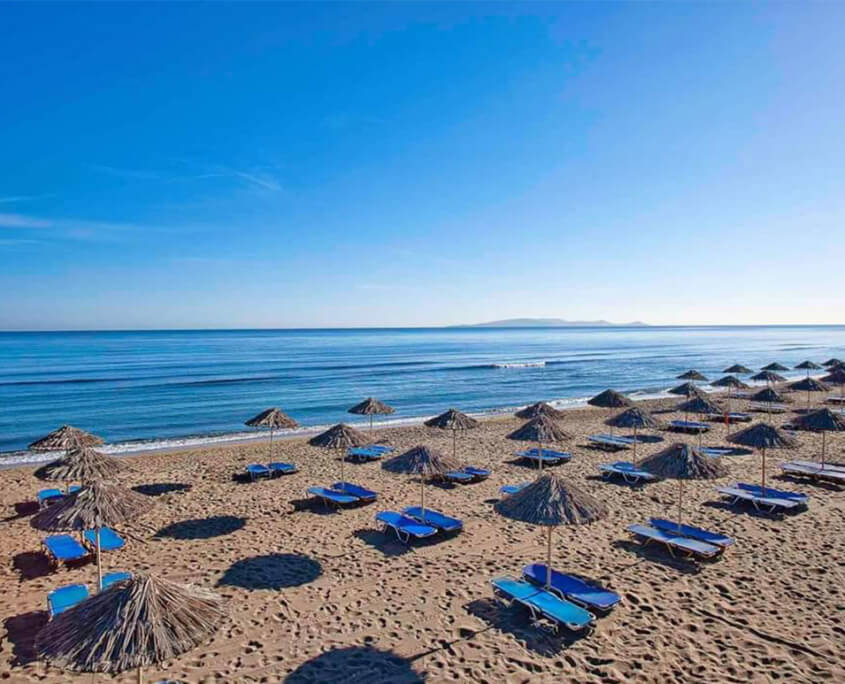
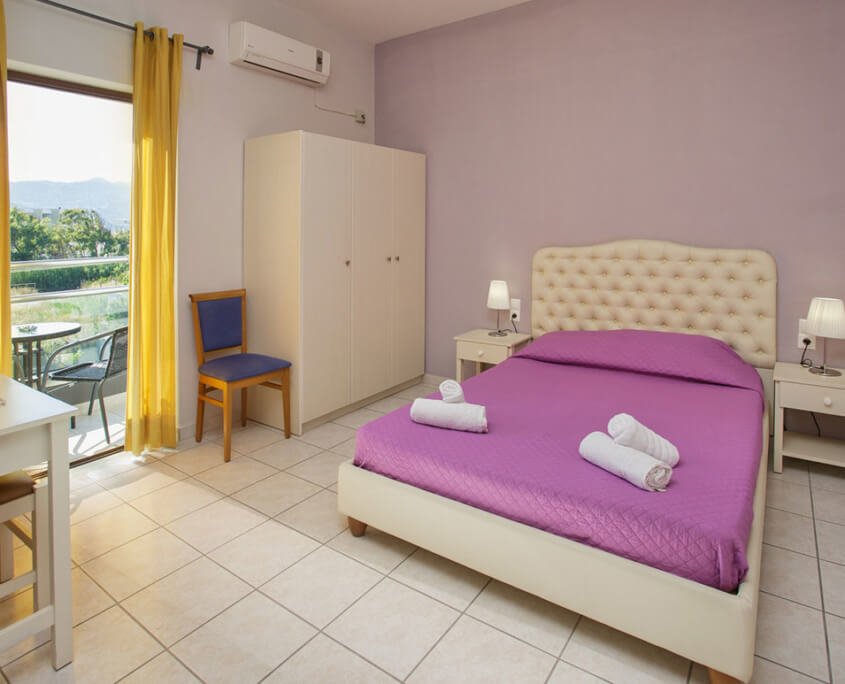
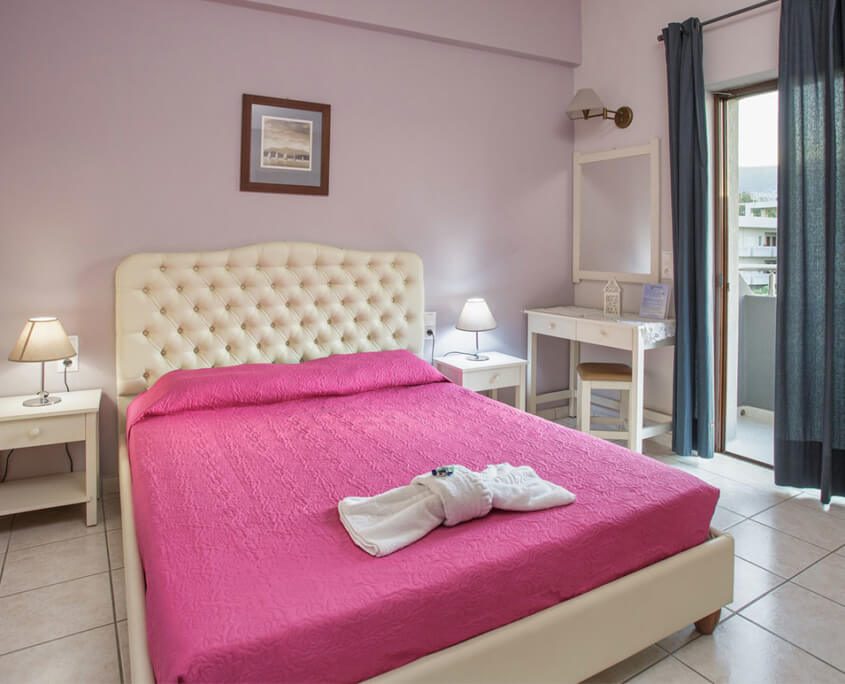
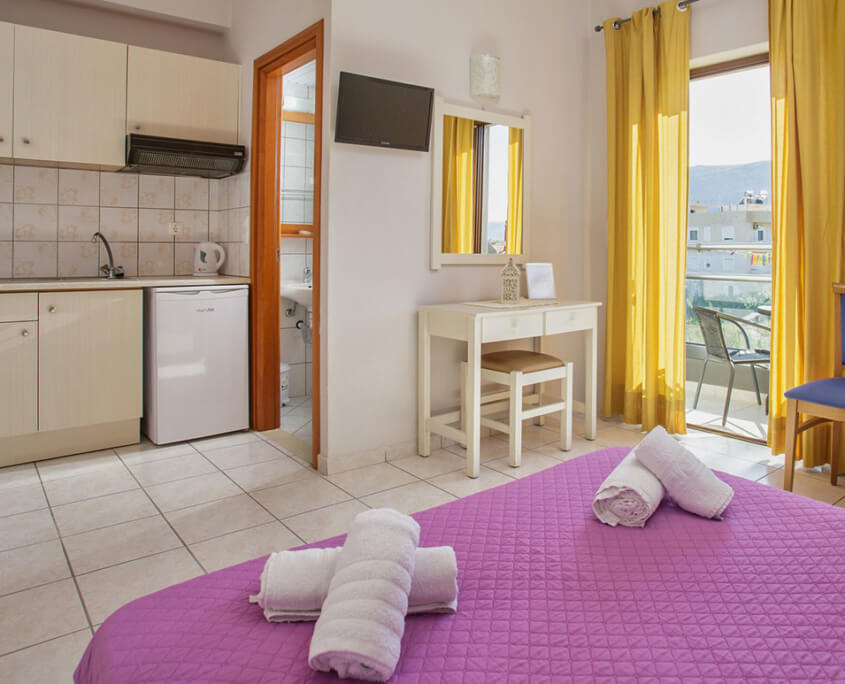
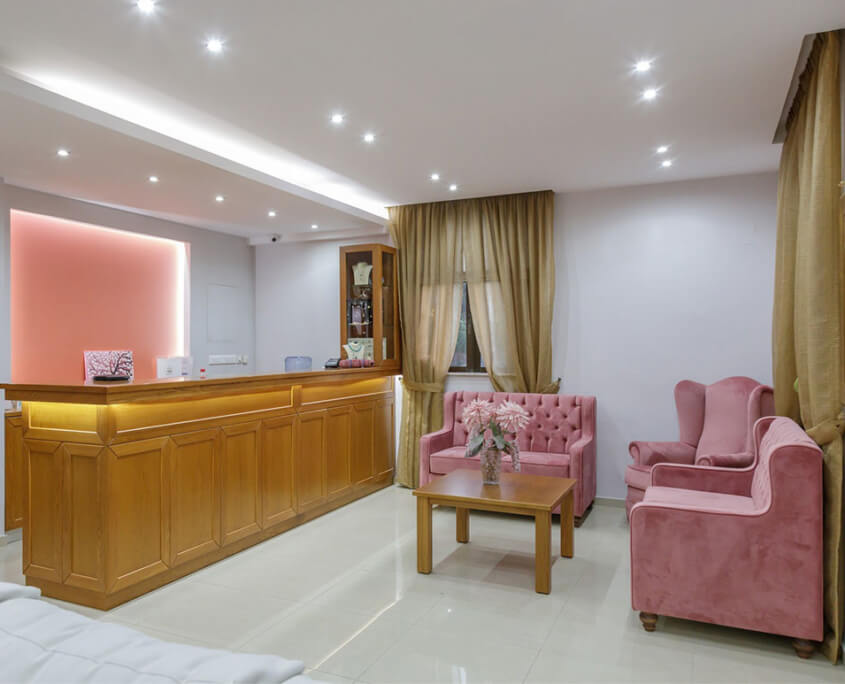
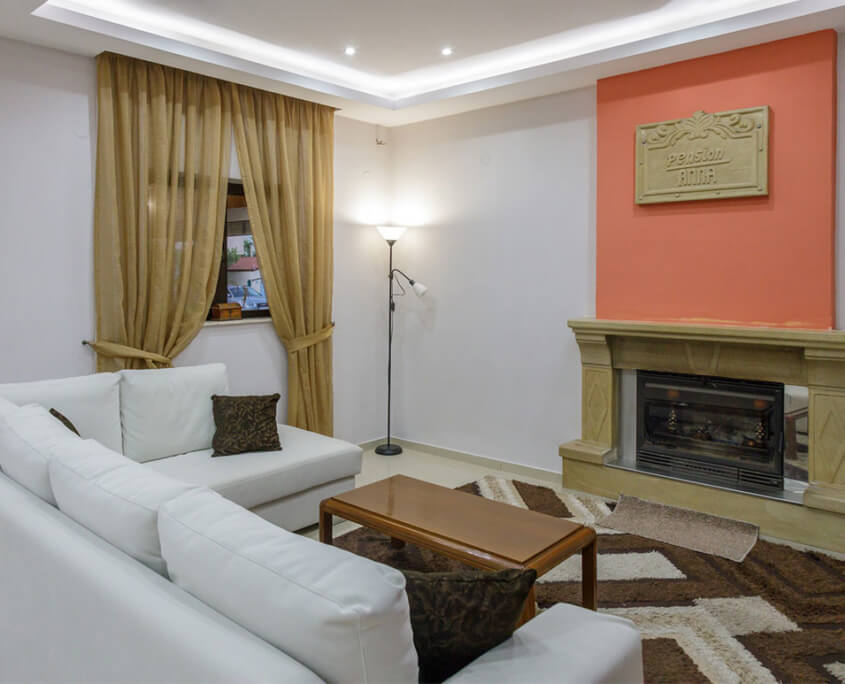
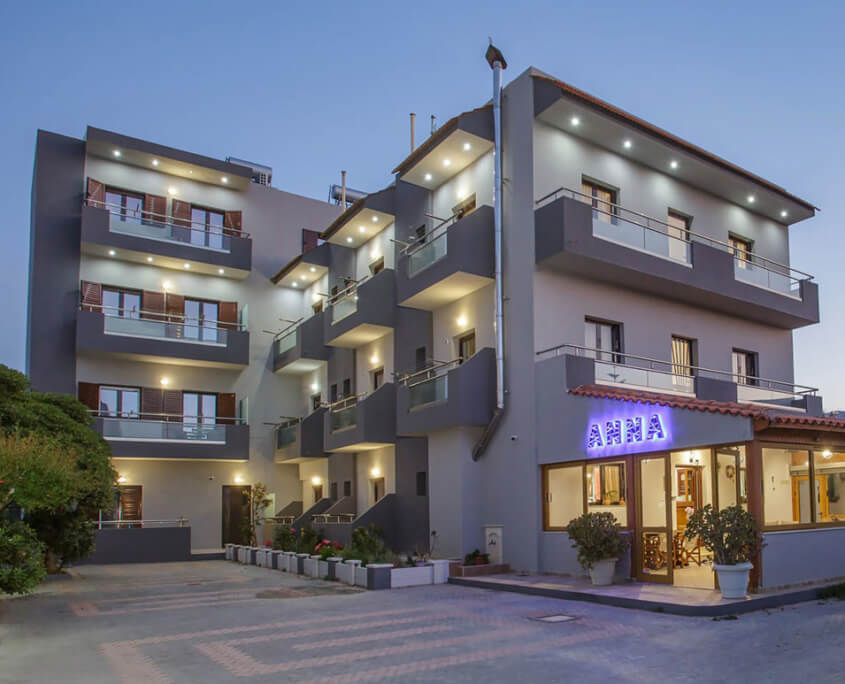
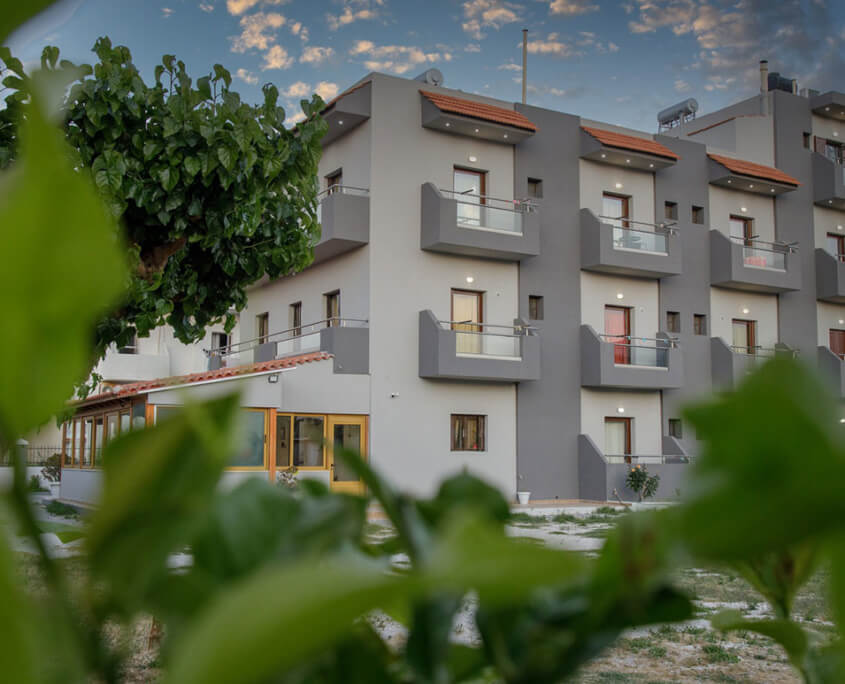
You and your teammates will stay at a tourist-class beachside hotel in Amoudara, 200 meters from the main street. The rooms are double-occupancy with private bathrooms with hot water, twin beds, in-room safes and telephones. Most rooms have balconies and a beautiful view of the swimming pool. The hotel offers sunbathing chairs, an indoor/outdoor bar, restaurant and a very friendly staff. Single rooms are available for an extra fee.
What are the laundry arrangements?
Limited laundry facilities are available in the town of Gazi, but volunteers are able to wash many of their items by hand in their bathroom sinks and hang them out to dry. Because of the temperatures, most clothing dries quickly.
What is the electrical power?
The current in Greece is 220V. You should bring a converter (to 220V) and an adapter (the large round double-pronged version used throughout Europe) for your electrical appliances unless they are dual voltage.
What is the local cuisine?
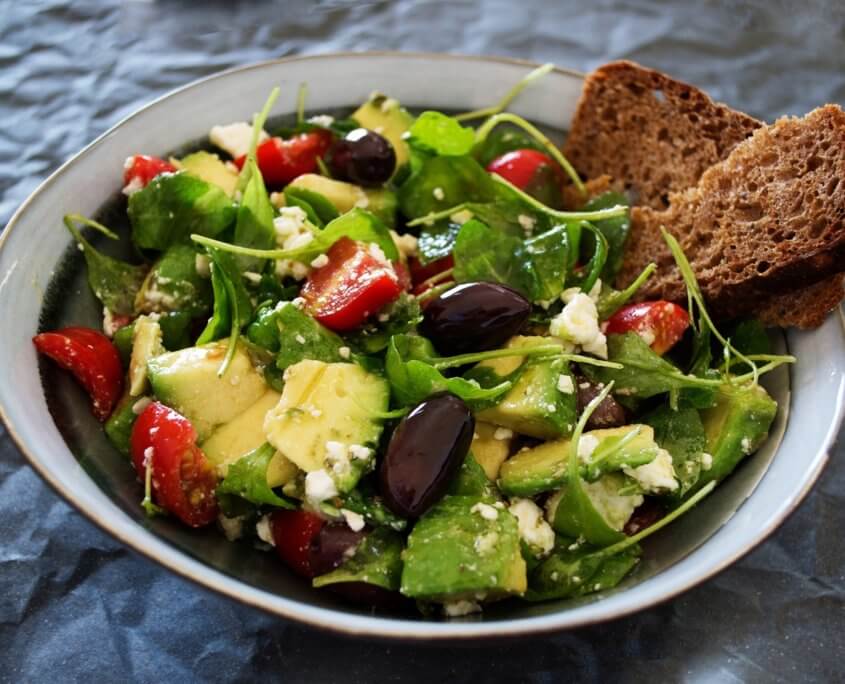
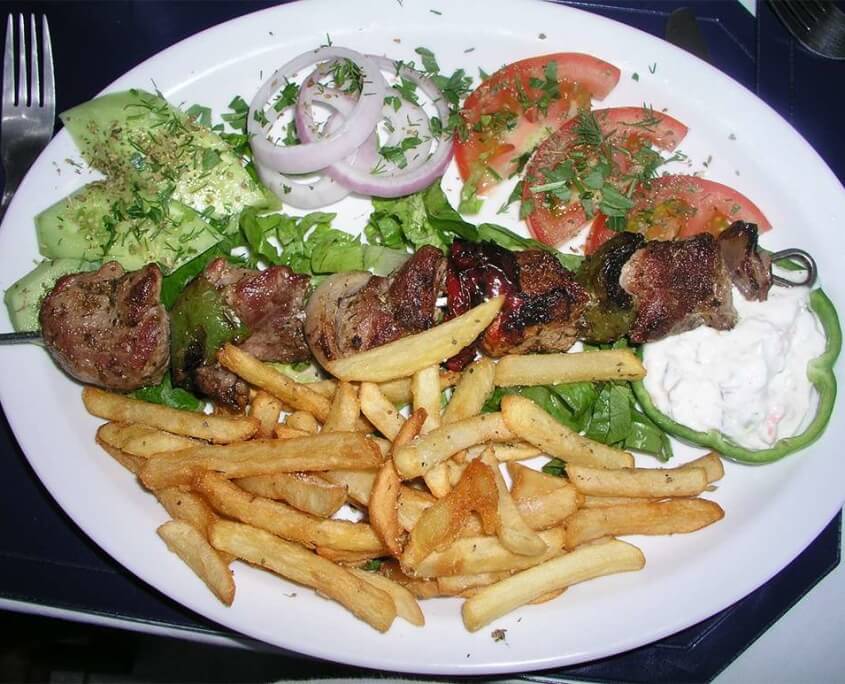
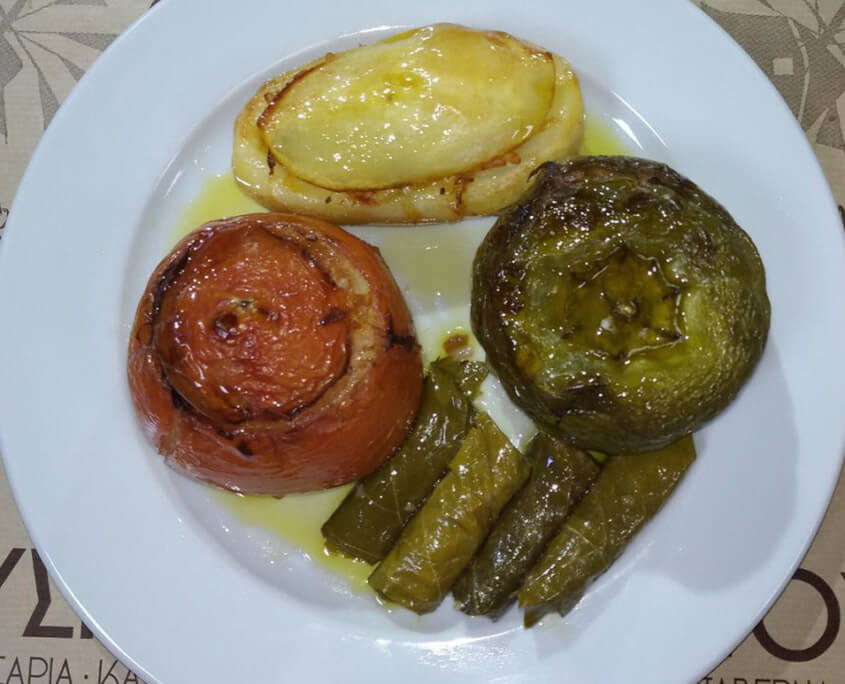
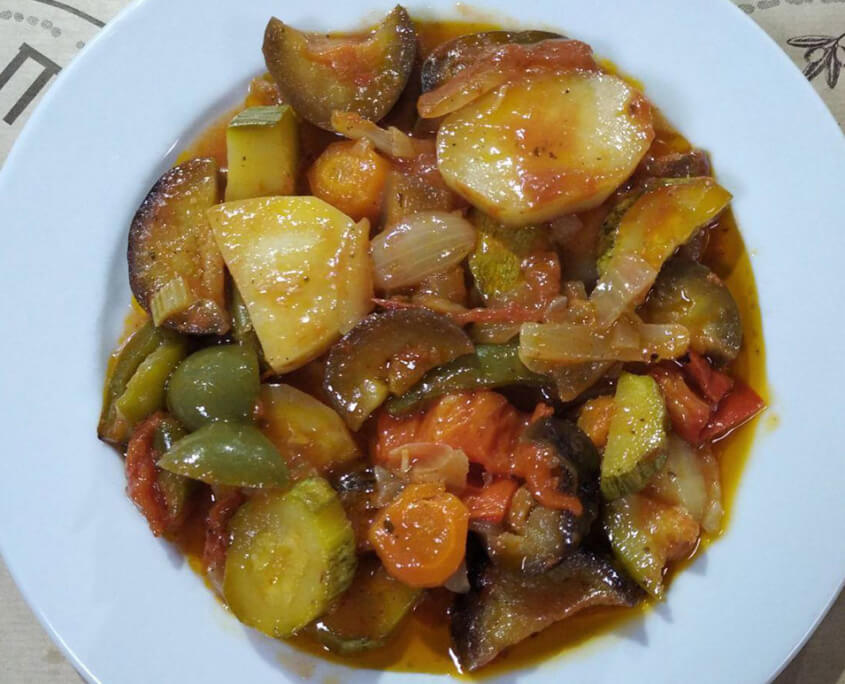
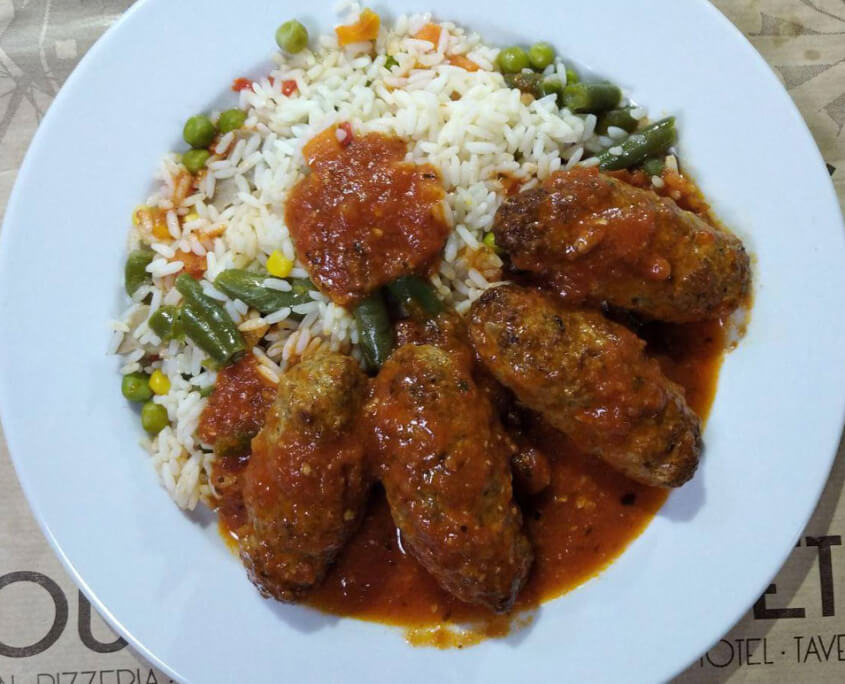
The diet in Greece consists of beef and pork (lamb is only served on special occasions and when in season), a variety of seasonal fruits and vegetables, including fresh tomatoes and cucumbers, pita bread, and such traditional favorites such as feta cheese, and fresh black olives. A rich selection of fruits and homegrown vegetables accompanies the meals.
Can special diets be accommodated?
Avoiding meat is not a problem, although it does necessarily limit your options, as meat is a common ingredient in many traditional Greek meals. Most vegetarians can, however, enjoy a broad assortment of fruits, vegetables, soups, salads, and cheese. Volunteers with strict requirements (for example, vegans) should bring foods to supplement their diet.
Will potable drinking water be provided?
Bottled water is provided for all team members.
HEALTH TIPS
What are the principal health risks?
Sunburn can occur during outdoor activities, so be prepared with a hat, sunglasses and sunblock.
What health precautions should I take?
For general recommendations, consult the following sources:
Centers for Disease Control
Health Canada Online
Canadian Department of Foreign Affairs and International Trade
Travel Health Online
Is the water safe to drink?
Drinking the tap water has not caused our volunteers difficulty in the past, but because tap water is treated differently in Greece than in the United States, we recommend that people rely on bottled water. Bottled water will be readily available.
Is it safe to eat food purchased from street vendors?
We strongly recommend that you do not purchase food from street vendors.
What type of insurance do you recommend?
We strongly recommend medical insurance that covers you while you are outside your home country, and trip cancellation insurance. Your travel agent can refer you to travel insurance providers. Global Volunteers will provide you with emergency medical evacuation insurance.
MONEY MATTERS
What is the local currency?
The euro is used throughout Greece.
What is the current exchange rate?
For currency conversion information, refer to the following website: FXConverter
Where can I exchange money?
At the Athens airport: For immediate exchange upon your arrival, there are currency exchange banks in the airports in Athens. We suggest that you exchange a small amount of money in Athens (US$50) because the currency exchanges at the Chania and Thessaloniki airports are not always open, especially during the off-season (mid-October through mid-March). In Gazi: There are a couple of banks in Gazi where volunteers can exchange money, though banking hours are limited. There are also numerous additional banks in Chania, Rethymnon, and Iraklion. ATMs are also available in these larger towns.
Can I use cash, credit cards or checks?
Credit Cards: Visa, MasterCard, Access and American Express as well as other credit cards and charge cards are accepted in many restaurants and hotels, although many smaller stores will only accept cash. Travelers Checks are easily exchanged in Iraklion, although the commission charged by the banks is typically higher for traveler's checks than cash. It is much more difficult to exchange traveler's checks in Gazi. Cash is a simple option; however, many banks will not exchange US$100 bills for Euro. However, US$50 bills and travelers checks are accepted. You can obtain cash advances on your card from a bank and from some ATMs or cash machines.
How much money should I bring with me?
This depends on your personal spending and shopping habits, and whether or not you want to go on an excursion during free time on the weekend. Weekend trips cost around US$150 to US$300, depending on where you go, and the accommodations used. Your souvenir budget is discretionary.
COMMUNICATIONS
How can my family contact me while I am in Greece?
In the event of an emergency, your family should refer to the contact sheet that you will receive prior to your departure for Greece. Be sure to leave a copy with them.
Can I make international phone calls?
There are phones and faxes locally available for you to use for international communication. There are also public telephones located throughout most towns.
Is internet service available?
An Internet cafe is available in Gazi. Internet access is also available in the hotel reception area - there are two computers and one printer availble to volunteers free of charge.