Get Started in Peru
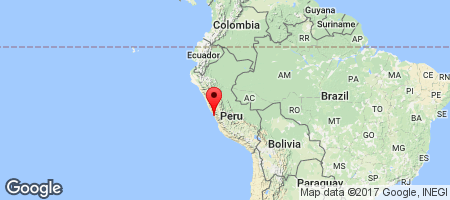
Volunteer in Lima’s Ventanilla District along the Pacific coast.
Local time in Peru:
Required Mobility Level:
Mobile

Volunteer in Lima’s Ventanilla District along the Pacific coast.
Local time in Peru:
Required Mobility Level:
Mobile
Genuine development projects to help children thrive. Exceptional service-learning for families, groups and individuals.
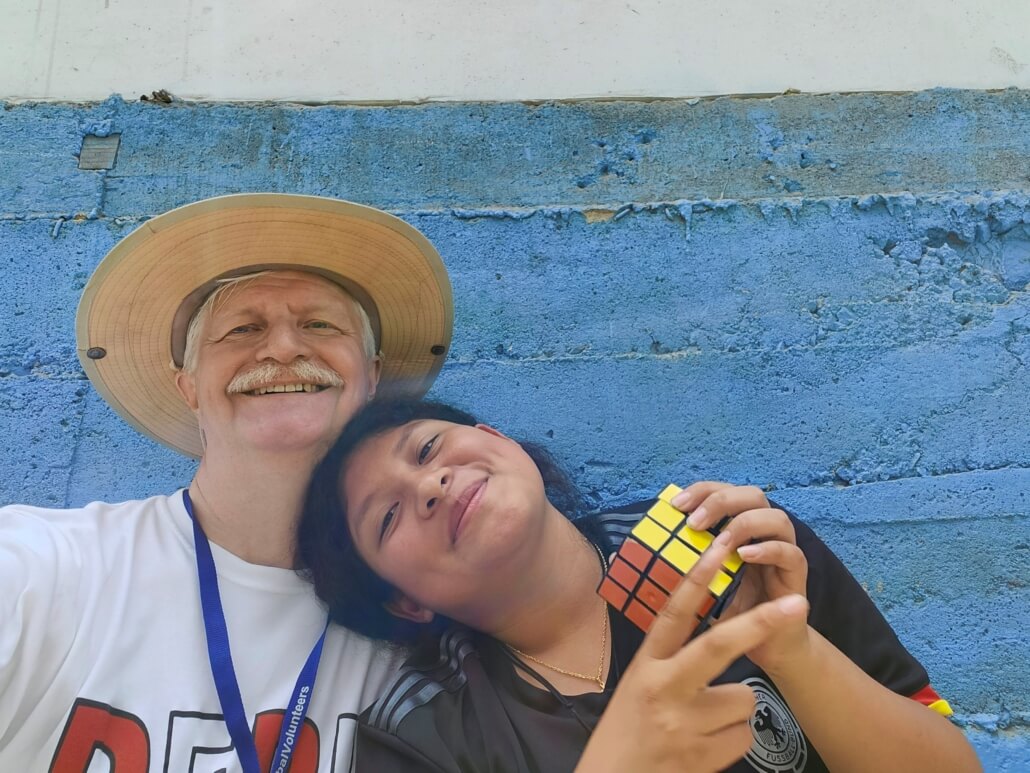
Work one-on-one with children from kindergarten through high school on English language skills, primarily through reading, writing and recitation, to encourage their interest and proficiency in basic English. At the university level, you help students anchor their independence through conversational English practice and lesson reviews.
Conduct interactive workshops for pregnant women, mothers, fathers and grandparents on health, nutrition, early childhood development, education, psychology, or related topics in your field. Choose from 37 prepared outlines and presentations.
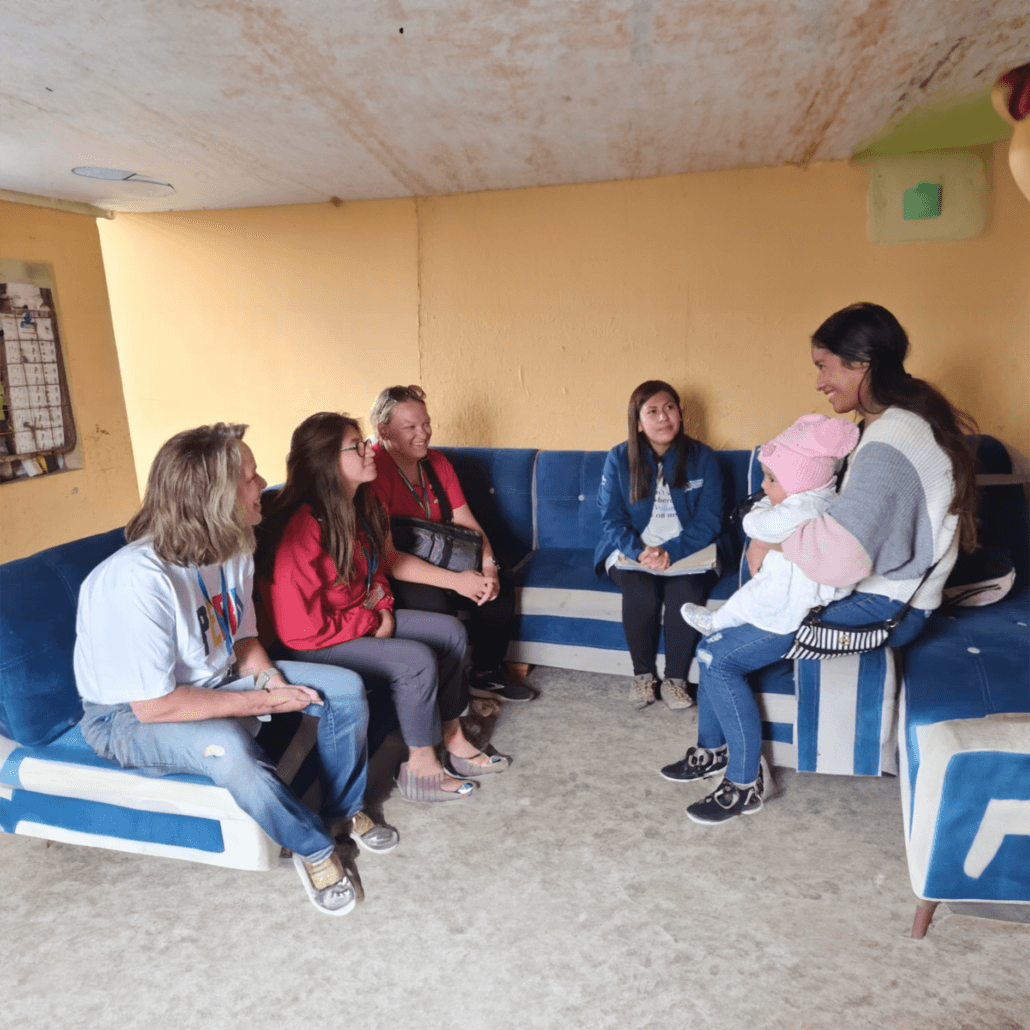
Accompany our caregiver staff on family home visits to meet mothers to provide psychosocial support, discuss their families’ health and nutrition, and review topics introduced in monthly workshops.
If you have good Spanish skills, you can teach math, science, numeracy, geography, biology, and world history and help students of all ages with their homework and testing. Help children read, write and speak in English on literacy projects. Enjoy serving as an inspiration in learning environments lacking material resources.
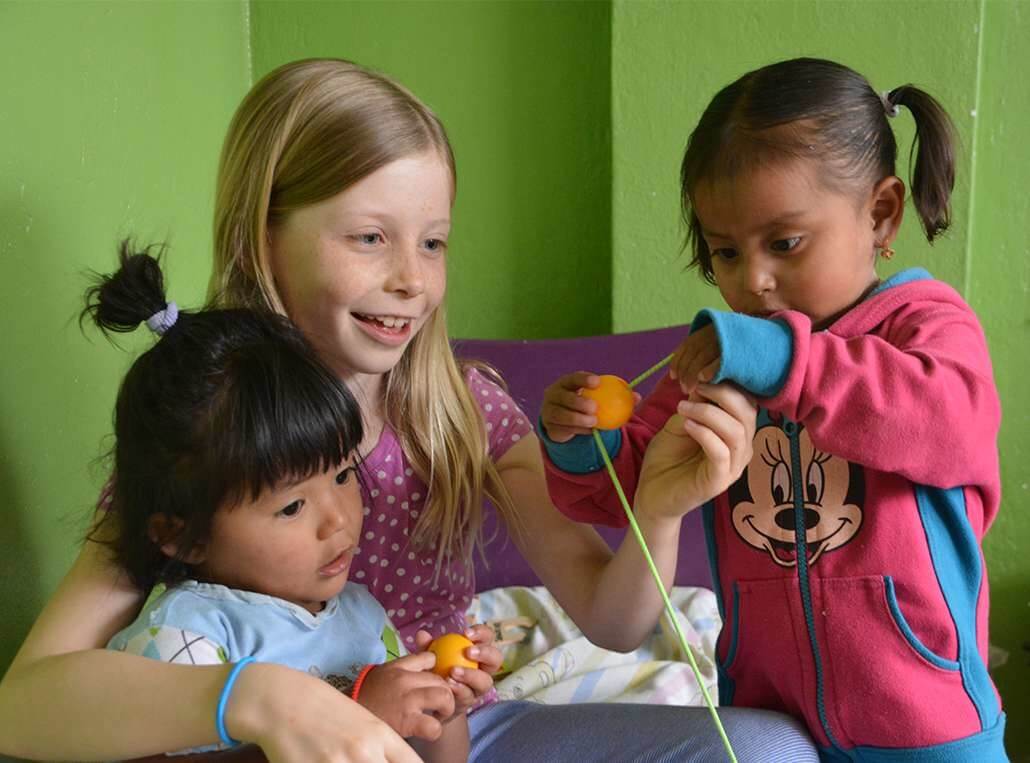
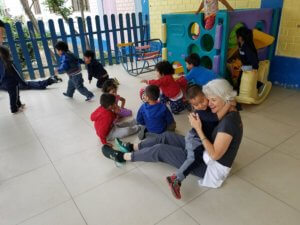
Stimulate and guide preschool children with arts and crafts, music, storybooks, and educational toys; demonstrate hand washing with soap and water; and teach other hygiene skills.
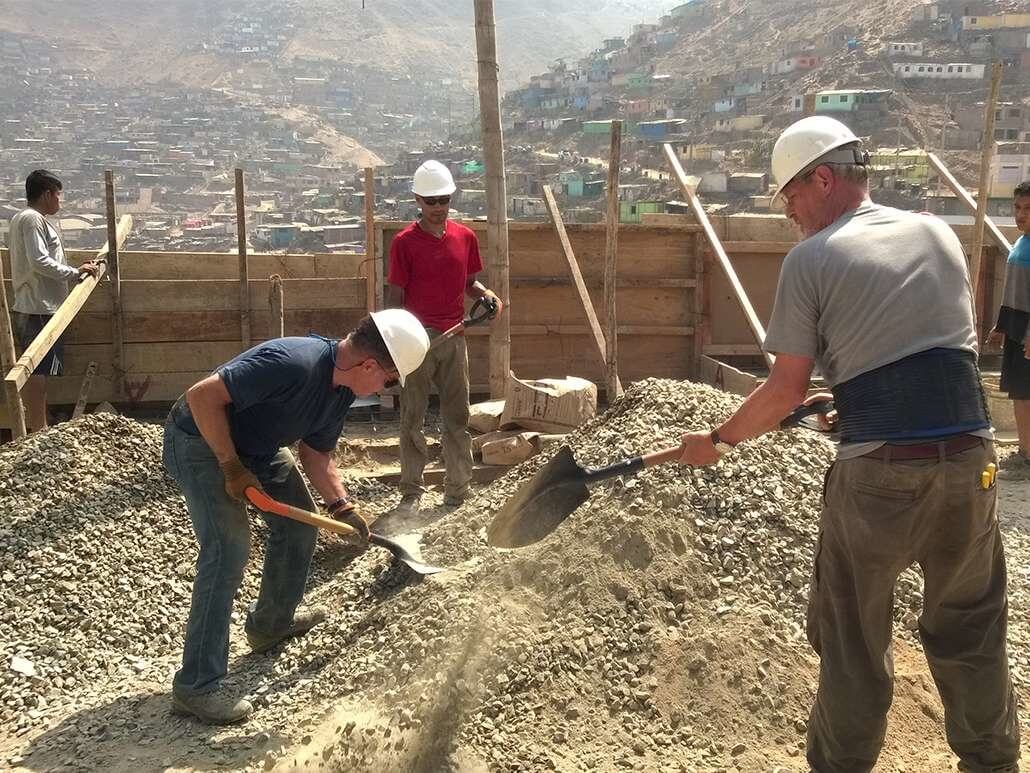
Help protect and maintain center facilities by painting, repairing, and maintaining buildings, and lend a hand on plumbing, carpentry, welding, masonry, and electrical projects.

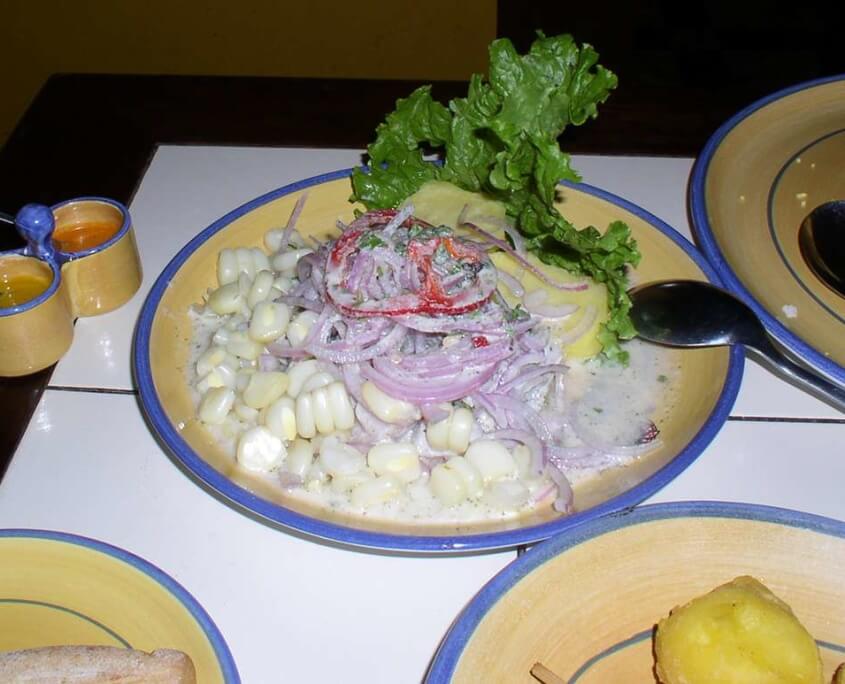
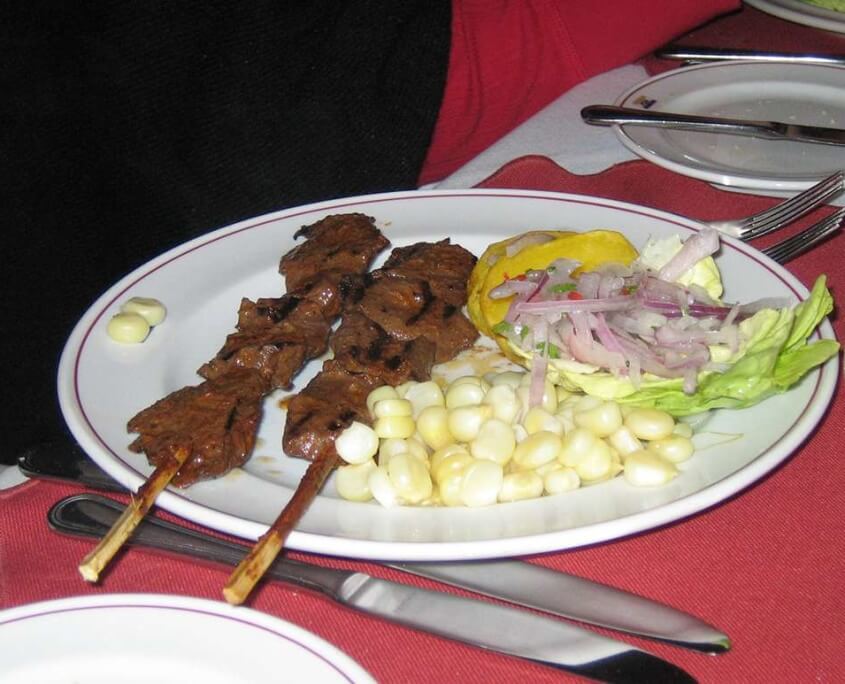
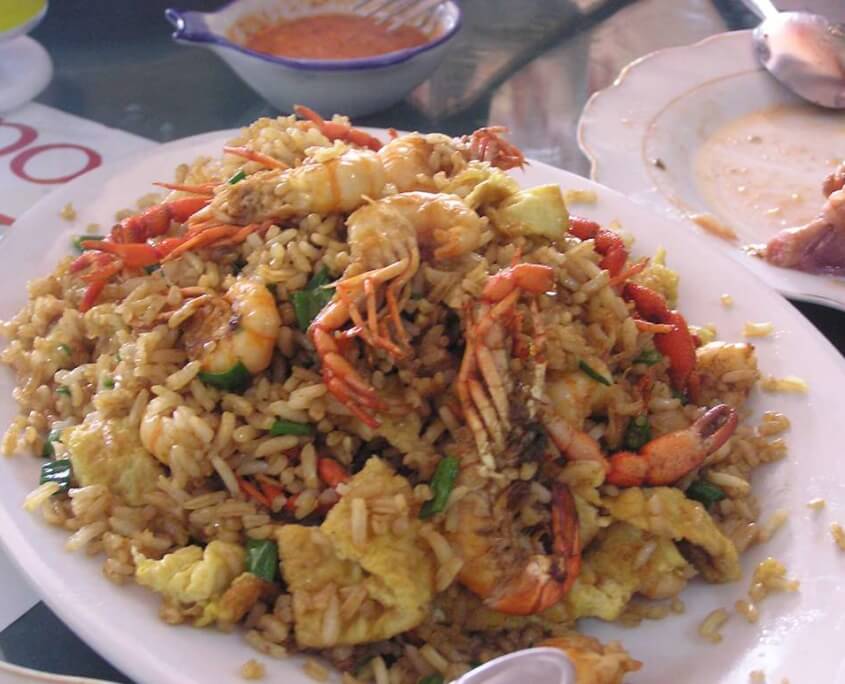
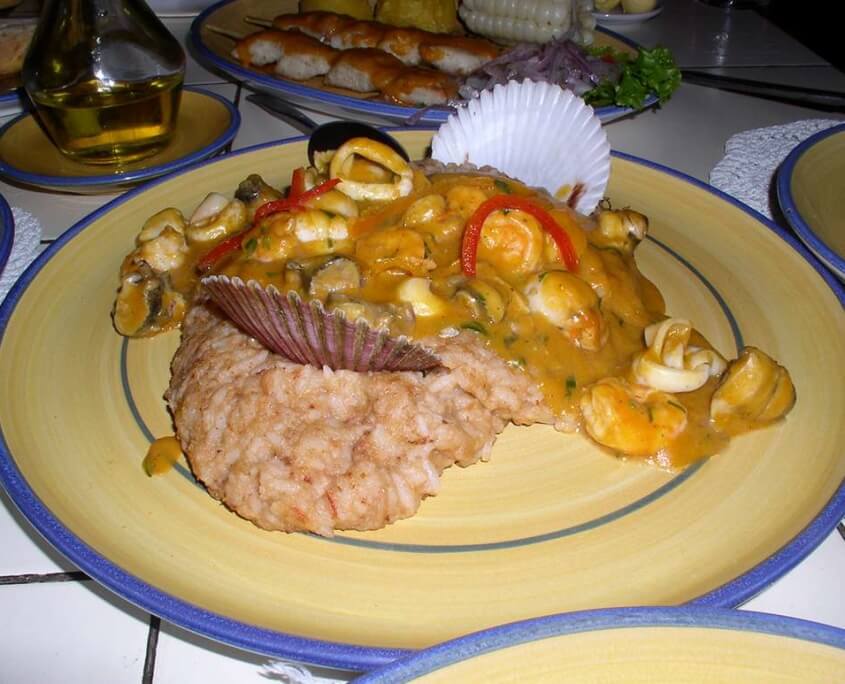
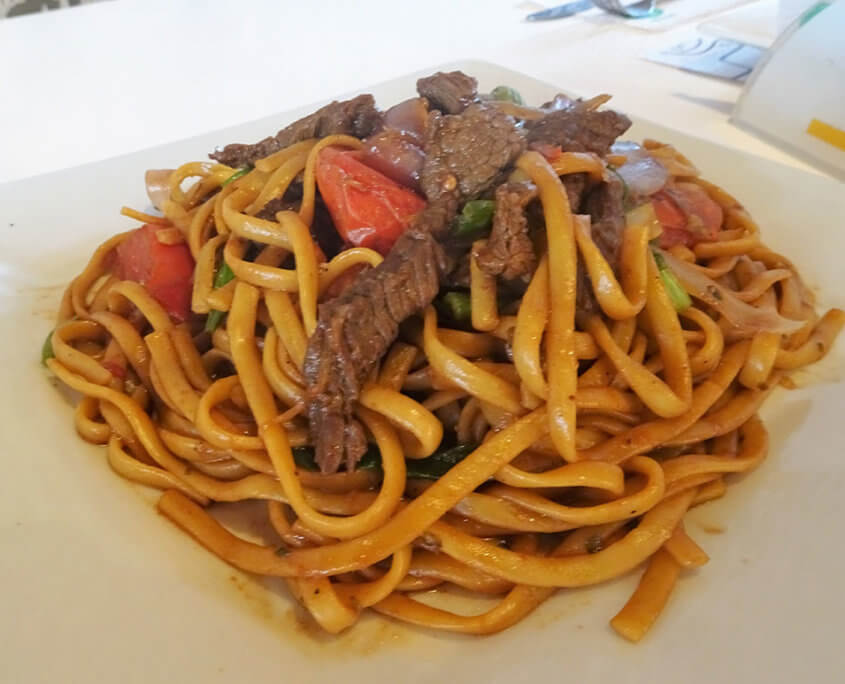
 Your lodging, food and transportation are provided always with a mind to protect your health and security. Your team leader is trained in CPR and first aid to handle most emergencies. Global Volunteers includes