You’re needed around the world to help children thrive!
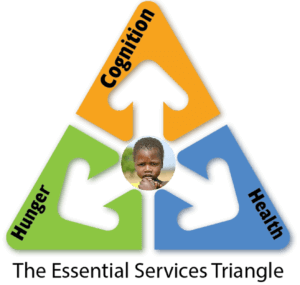
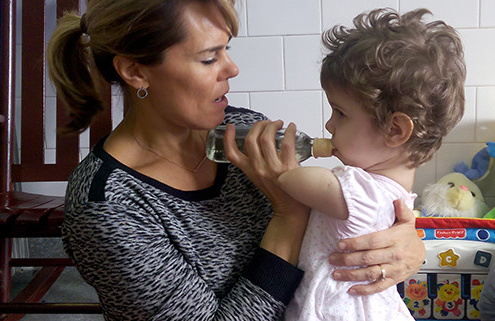
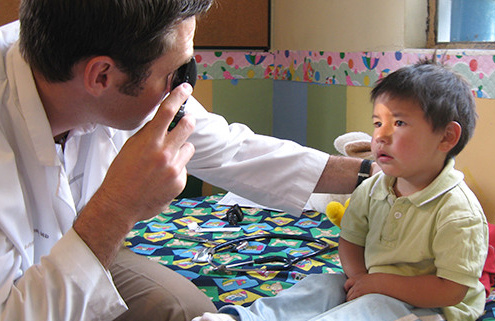
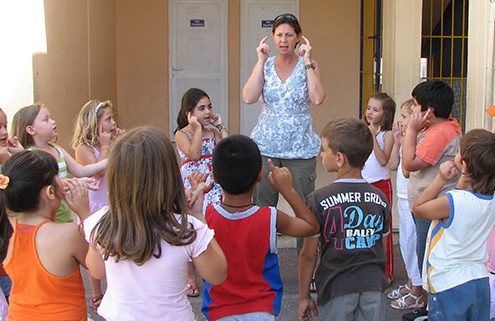
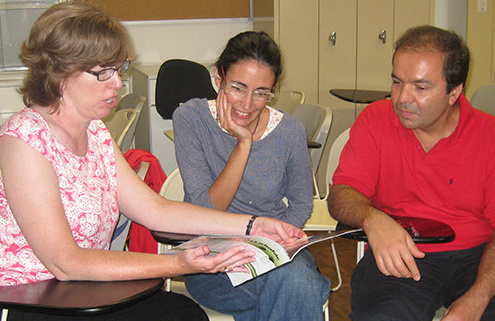
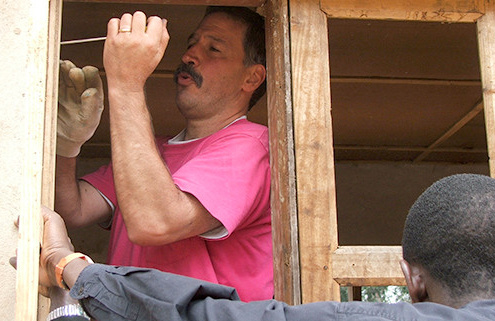
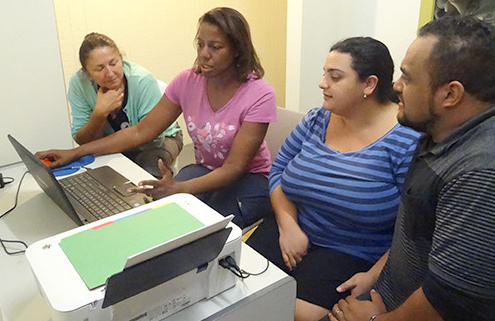
Help create, nurture and sustain the well-being of the world’s children and their community, that they might realize the full promise of their human potential. Supporting pregnant women, and their infants, toddlers, and children through the 18th birthday changes everything. When children are able to reach their potential, they can become full contributing members of their society. Each of these volunteer abroad projects are sustained by successive teams of volunteers, year after year, in partnership with community leaders. You provide essential services by sharing your skills and expertise that often are not otherwise available. Volunteer abroad alongside parents, caregivers, teachers, medical professionals, and local leaders to improve the cognitive and physical development of our world’s future leaders – its youth. Contributing to volunteer abroad projects for just one or two weeks, you will change the arc of a child’s life. And you’ll add meaning to your own life as well.