
Our Host Community

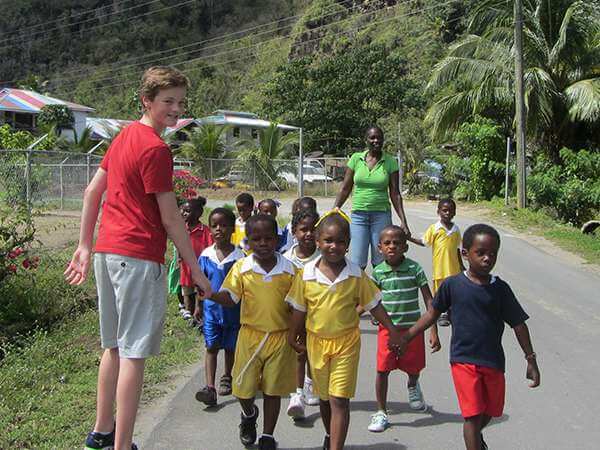
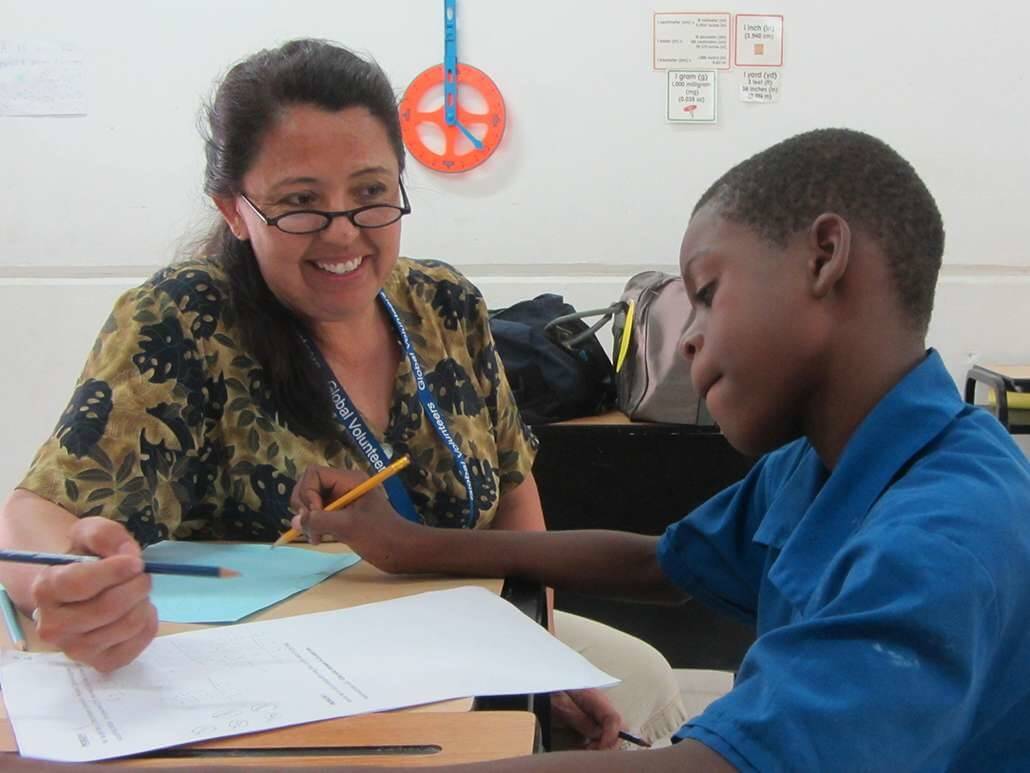
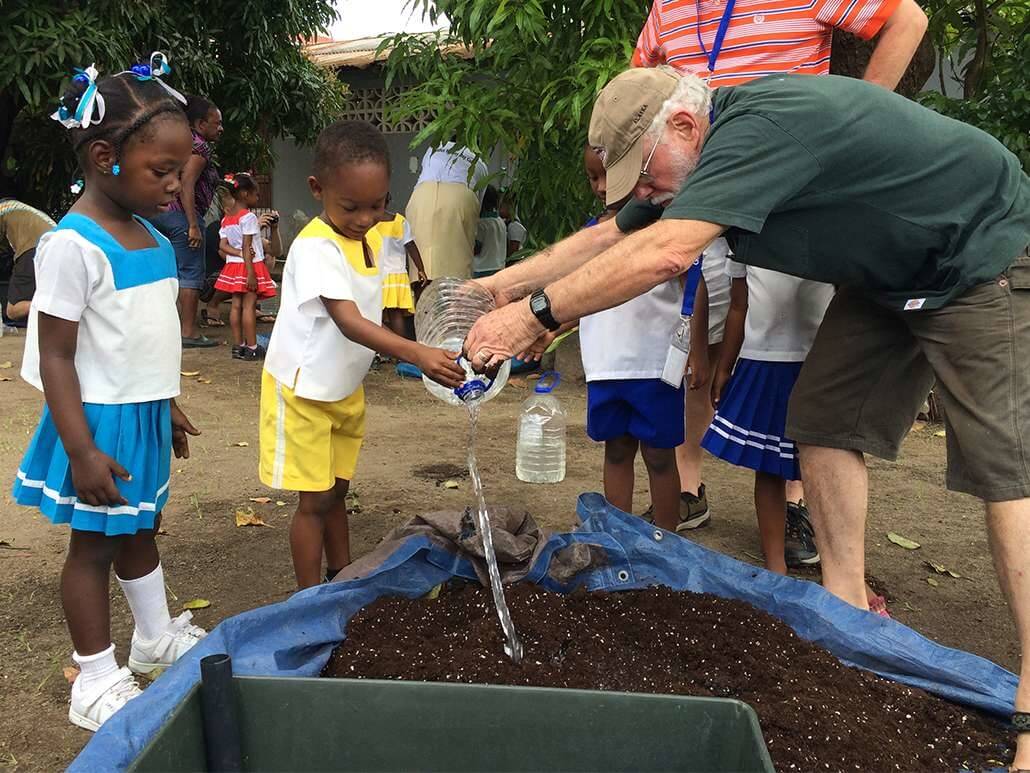
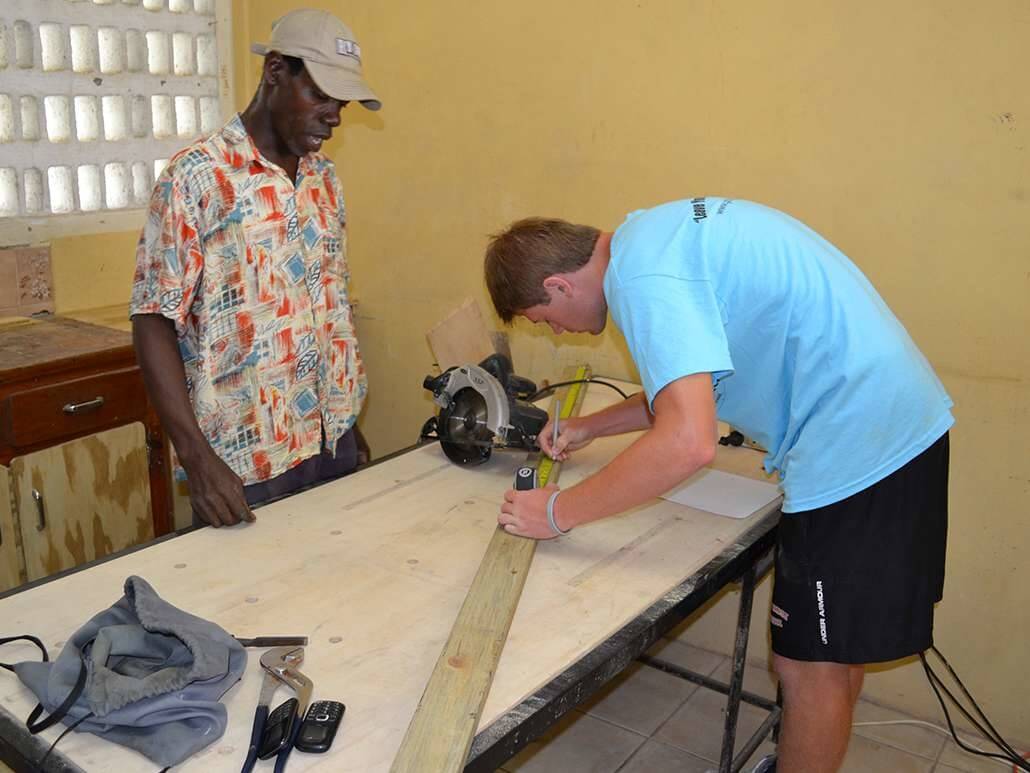
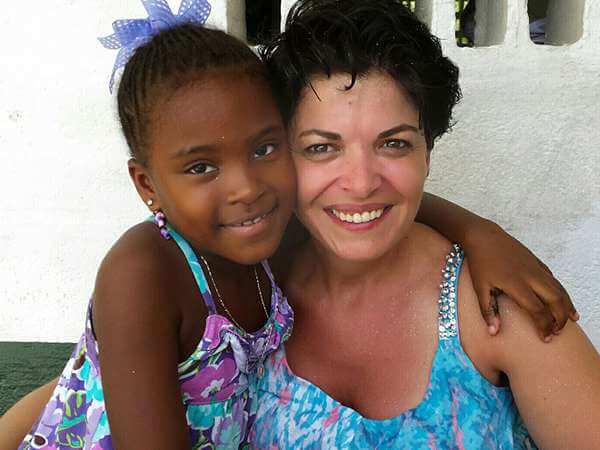
Anse-la-Raye, situated on the Caribbean coast, is among the most impoverished communities in St. Lucia. At the invitation of the local Catholic parish and in cooperation with the ministries of Agriculture, Health, and Education, Global Volunteers helps parents and local community organizations deliver the 12 essential services to children through schools and community organizations, with some services extending into their homes. We work with several community partners, including:
- Two preschools (ages 1 to 5)
- Infant School (K-2)
- Primary School (3-7)
- Secondary School (8-12)
- Roving Caregivers Programme
- Anse-la-Raye Health Centre
- Nativity of the Blessed Virgin Catholic Parish

Each of these community partners has requested Global Volunteers' assistance in helping them deliver the essential services to the children of Anse-la-Raye.

The Island of St. Lucia
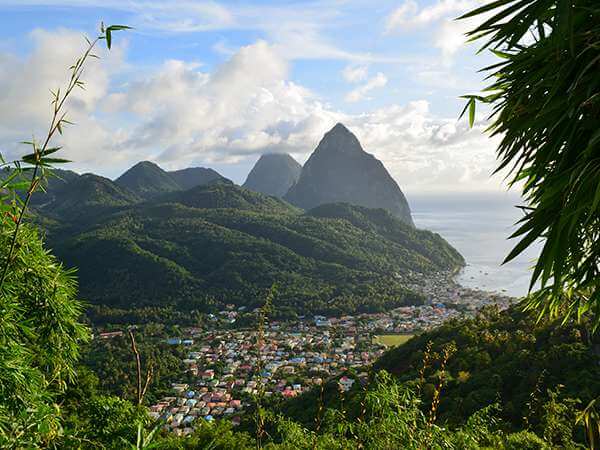
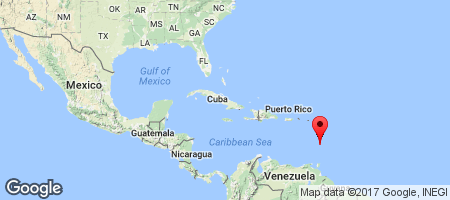
St. Lucia, West Indies, has an area of 238 square miles (616 square kilometers), and lies between Saint Vincent to the south and Martinique to the north. It's a mountainous island 27 miles (43 km) long and 14 miles (22 km) at its widest, created by ancient volcanos, some of which remain as sulphur springs near the southwest coastal town of Soufriere. The island is ringed by a number of settlements, many of which had their origins as fishing villages and residential areas associated with plantations.

The capital city of Castries lies on a natural harbor in the northwest. Most of the population, approximately 90 percent, is of African or African-mixed descent, reflecting Saint Lucia's history of slavery. A small minority, less than 10 percent, has East Indian ancestry - descendants of indentured workers brought to the island after 1858. Between 75 and 85 percent of St. Lucians are baptized Roman Catholic, and the Church continues to play an important role in the life of the community and the people it serves.

Saint Lucia had a long colonial history under both French and British rule. During a turbulent period of the eighteenth century, the island changed hands fourteen times and was finally ceded to the British in 1814. British colonialism came to an end in 1979 after a succession of constitutional changes involving increasing degrees of self-rule and autonomy, especially after 1951. The African population was brought to the island as slaves, mostly during the last half of the 1700s. Saint Lucia's formal institutions are evidence of the European colonial heritage, but the vital folk culture is a product of the African population.