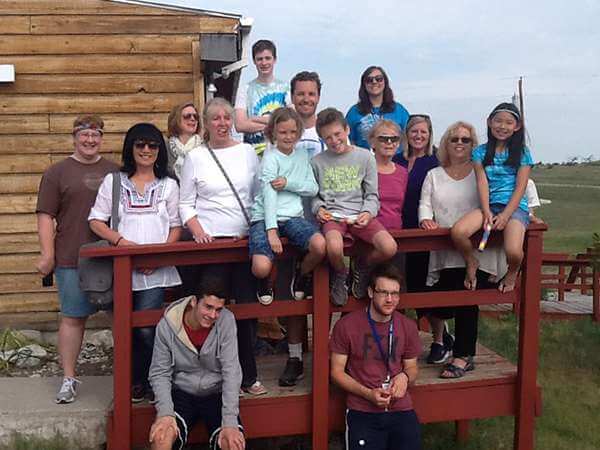
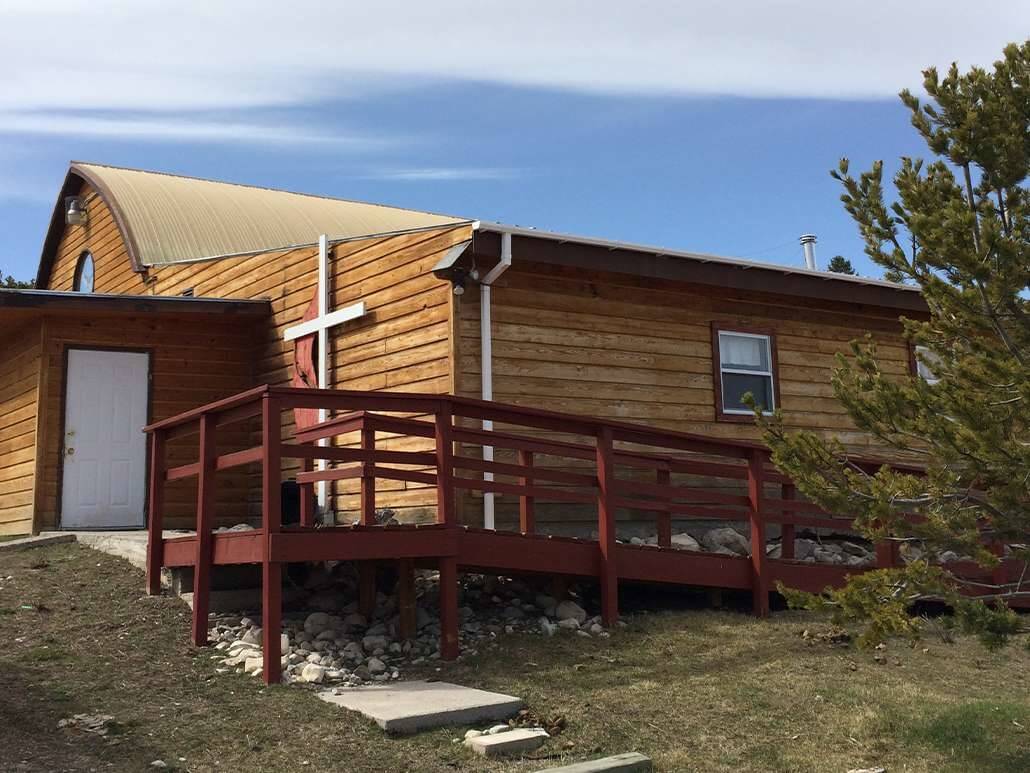
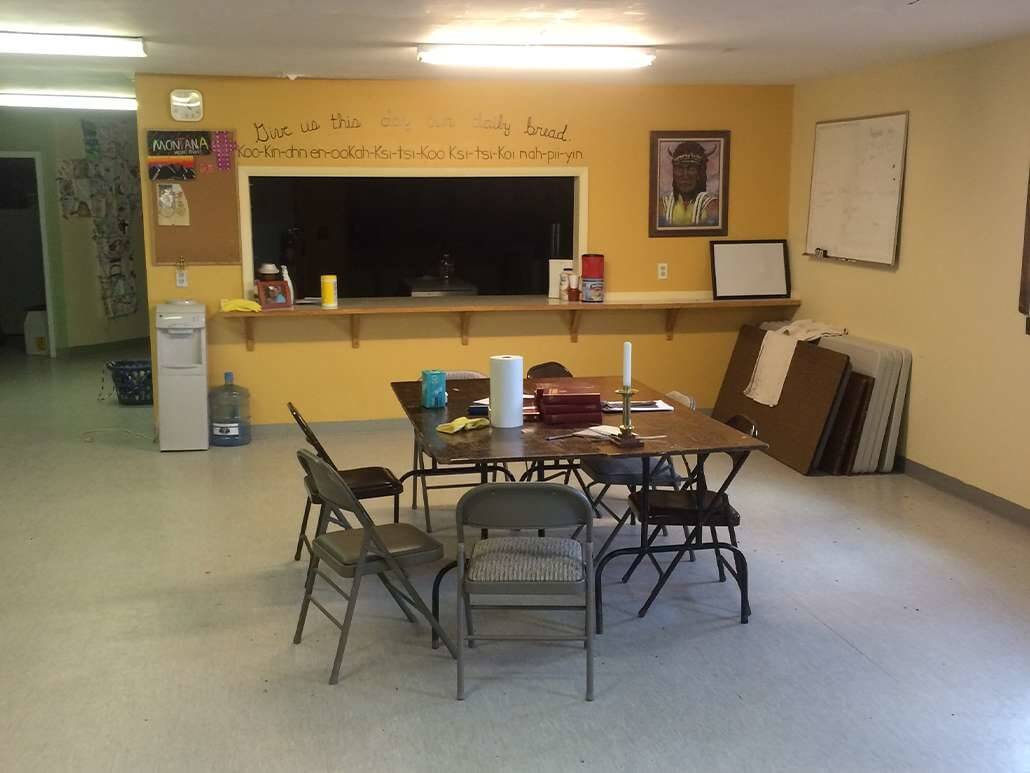
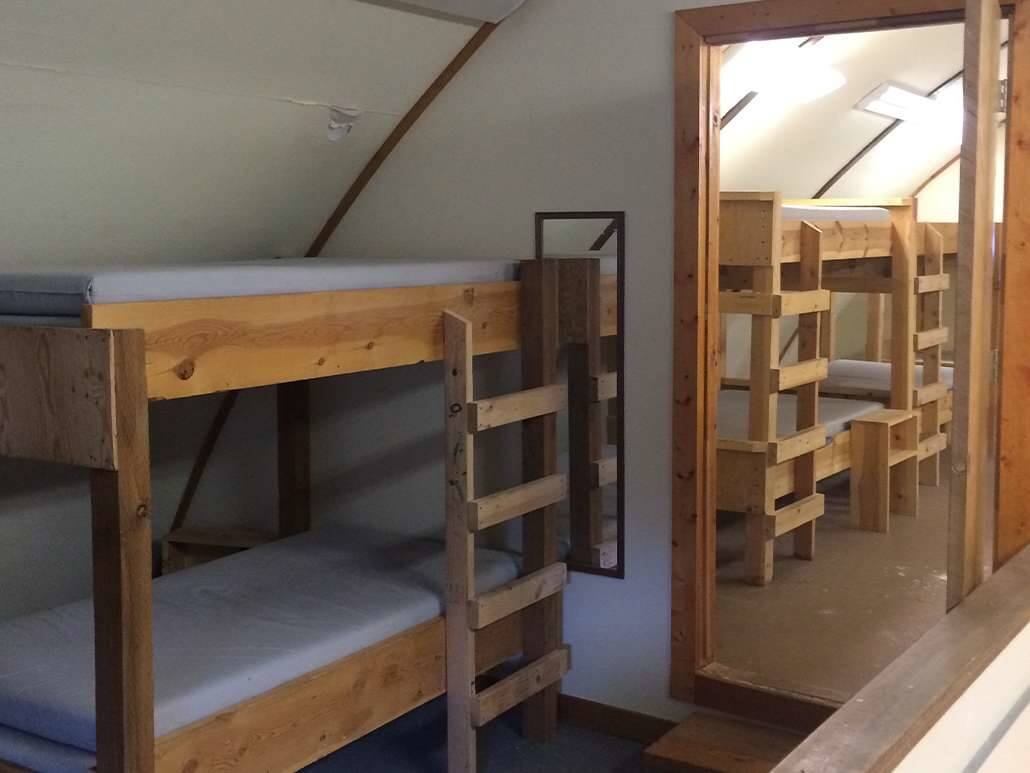
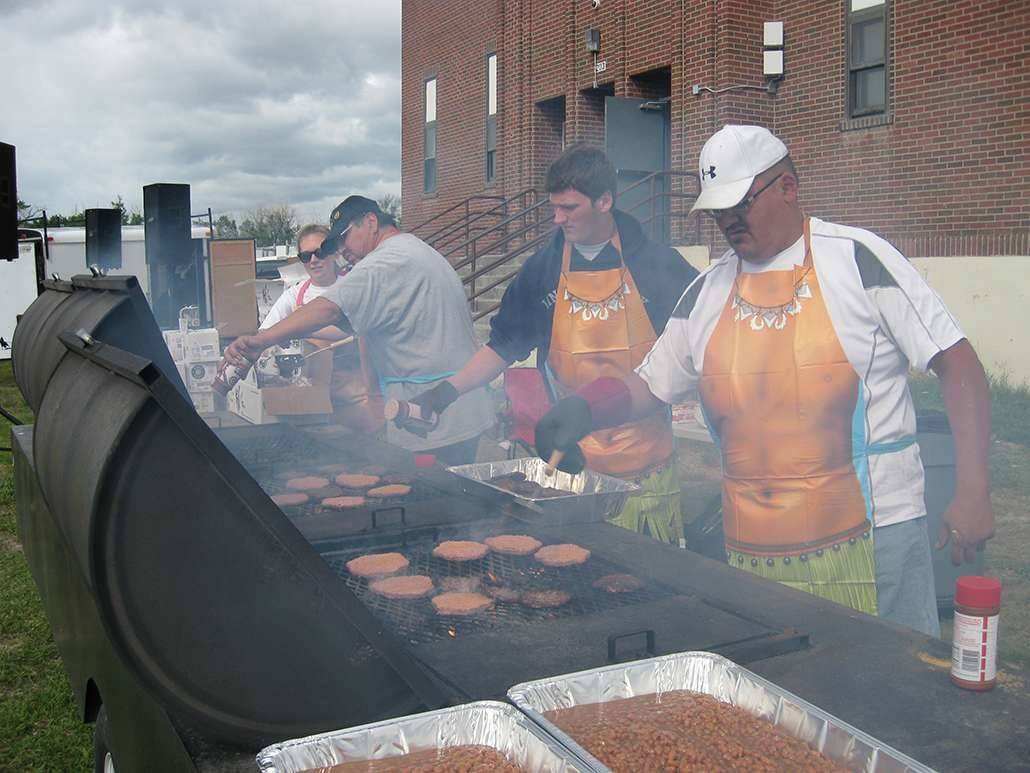
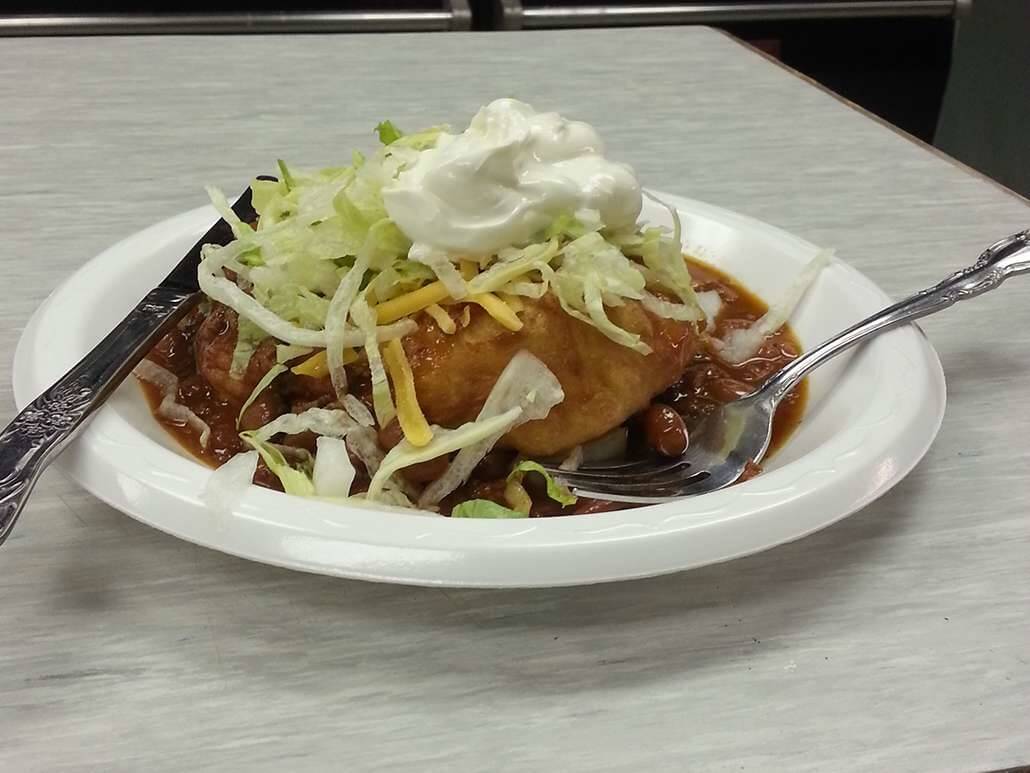
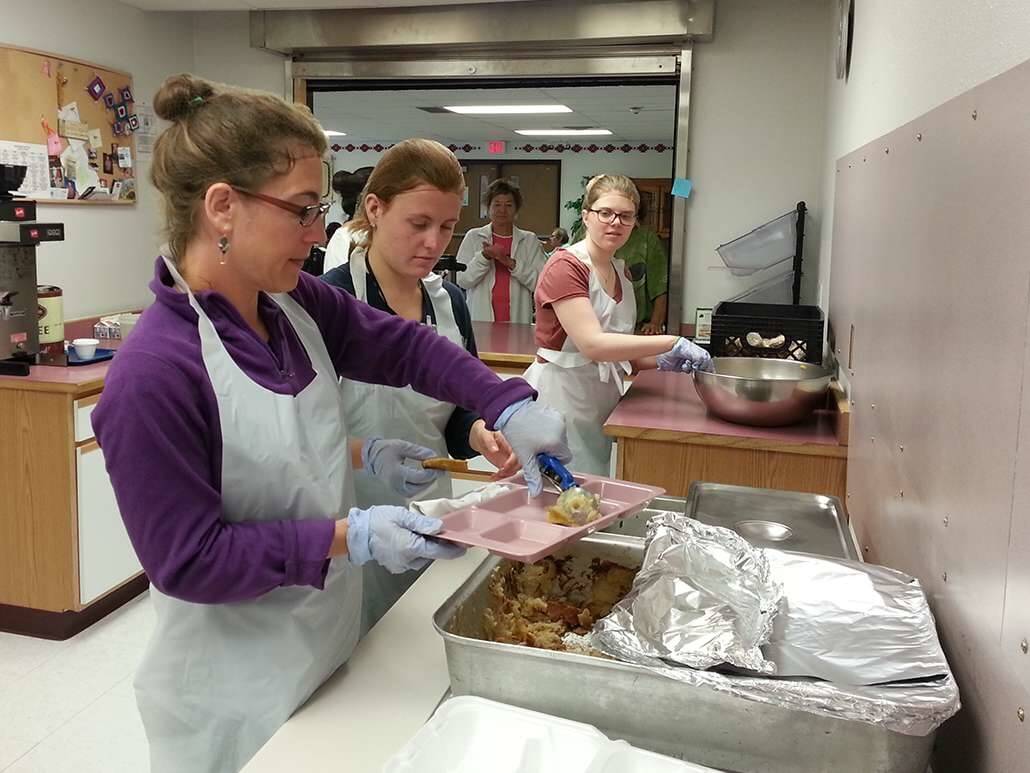
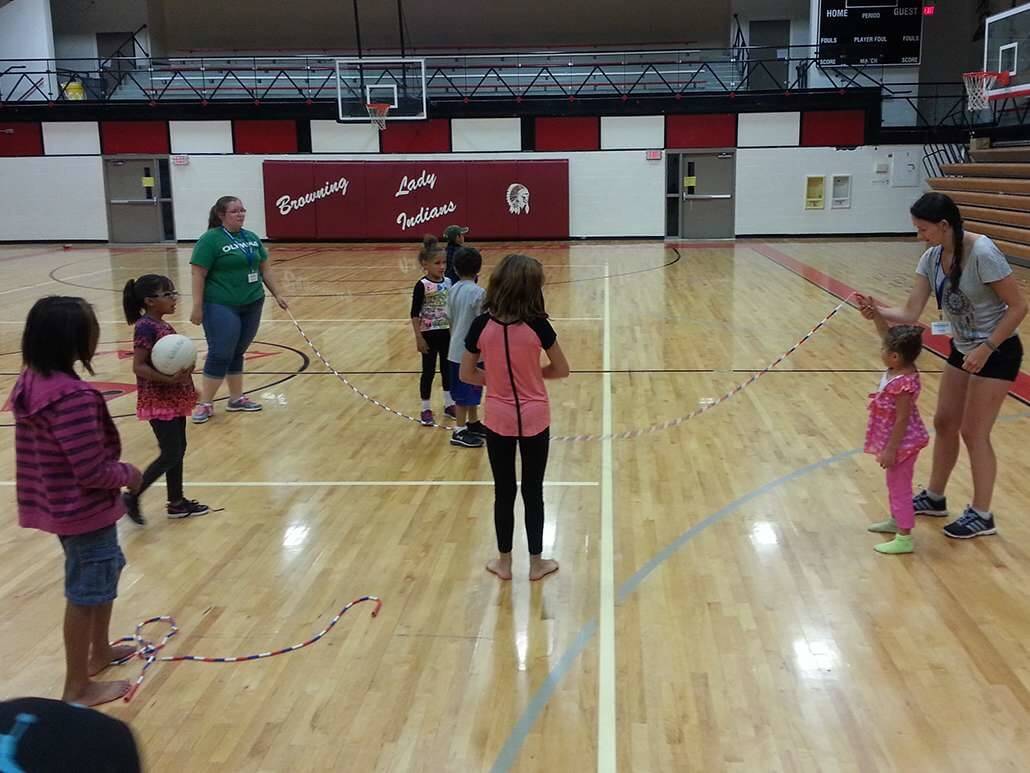
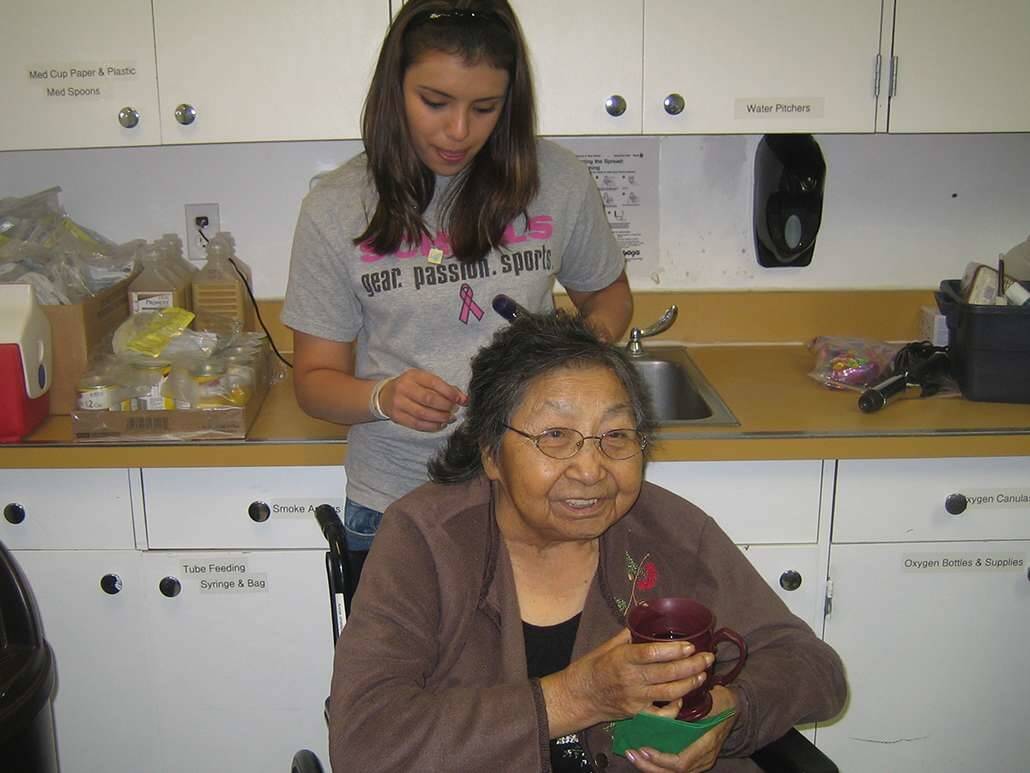
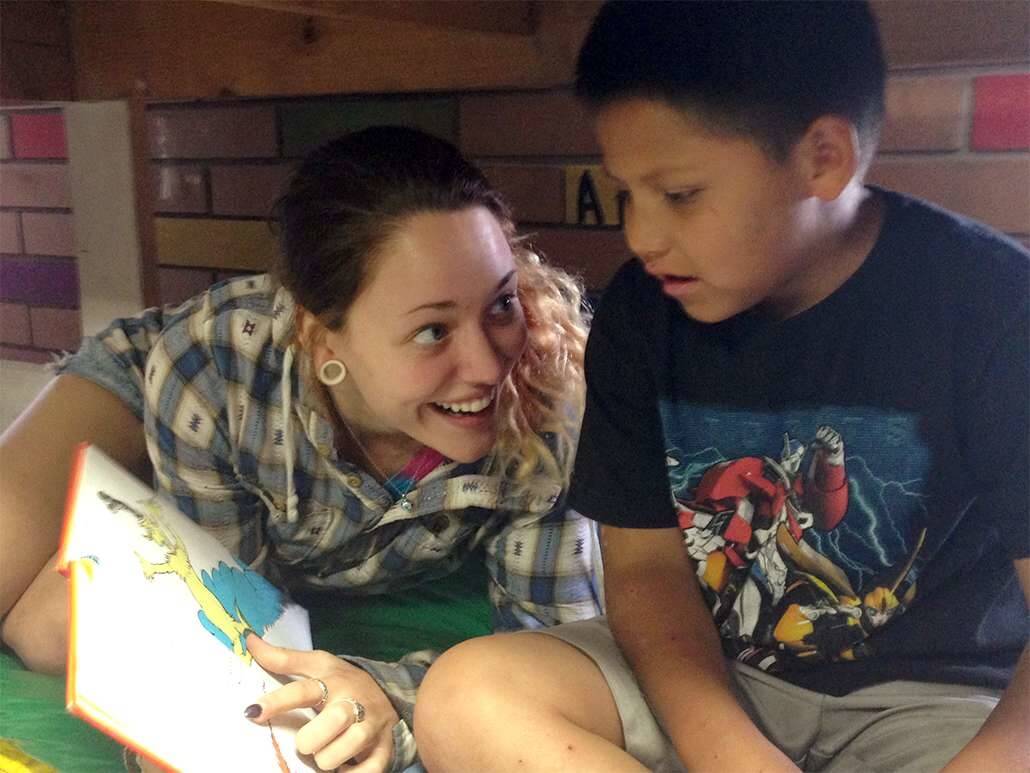
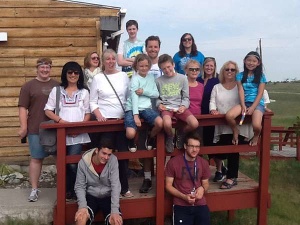
 Many student and corporate groups have served on our USA programs to learn first-hand about the host community and to strengthen their commitment to community service and teamwork. Because of the wide variety of volunteer projects, every member of your group can fully engage their unique skills and interests in meaningful service. We work with you to customize your program to learn about each other in a non-traditional way as an intact volunteer team. With advanced preparation, you can be certain that your unique contributions on genuine development projects advance the futures of those you serve.
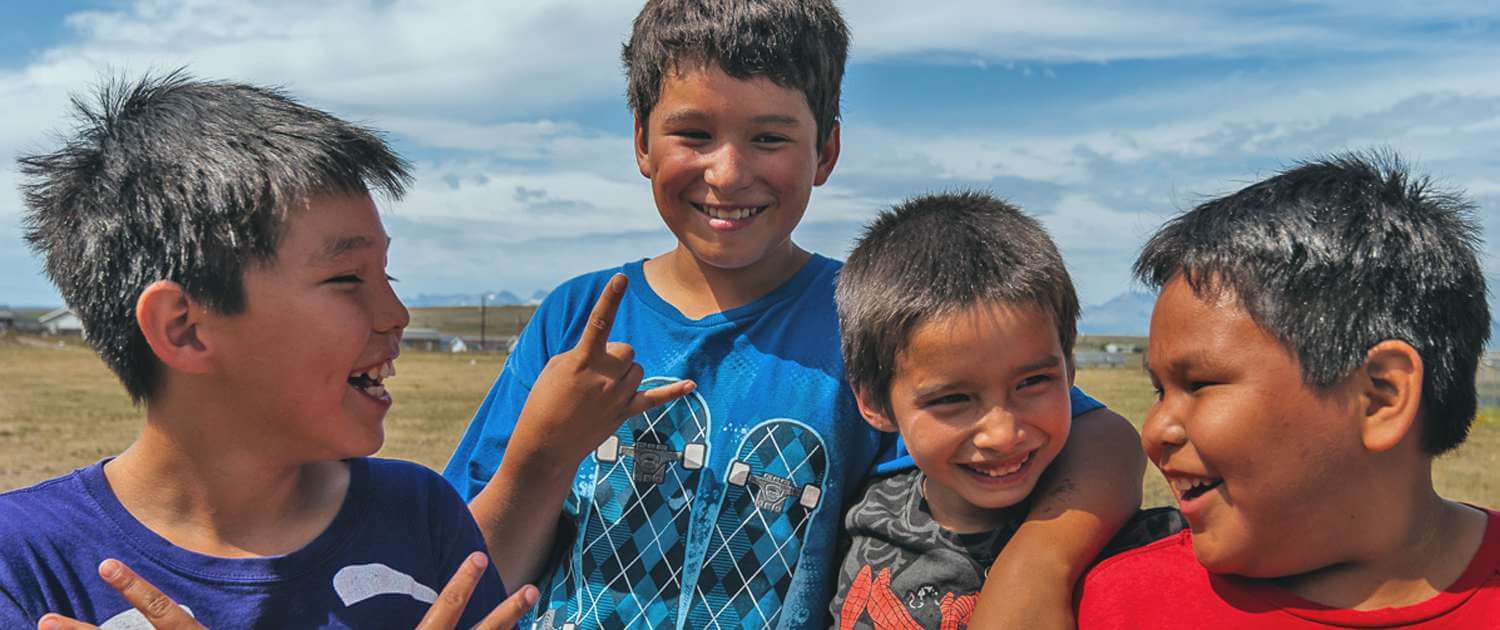
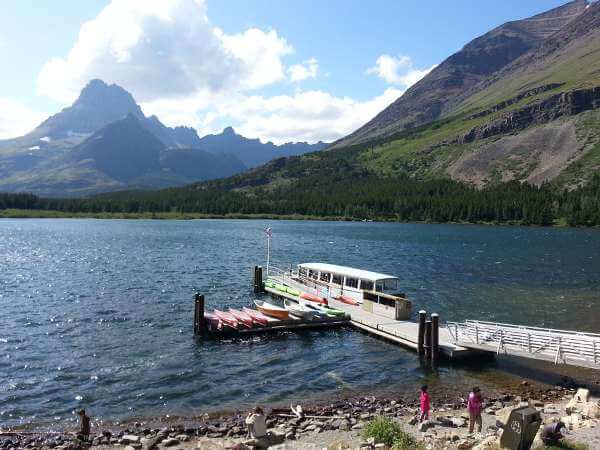
For instance, members of a worldwide healthcare consulting company united on the reservation for a week of collegiality and service. Employees who knew of each other only through the company directory planted gardens, painted fences and rode horseback together. A residential program for high school students select team members each summer to serve and learn with the Blackfeet people and to gain self-esteem through teamwork. Other student groups return year after year to learn about Blackfeet history, language, culture and modern life in a decidedly “non-tourist” manner.
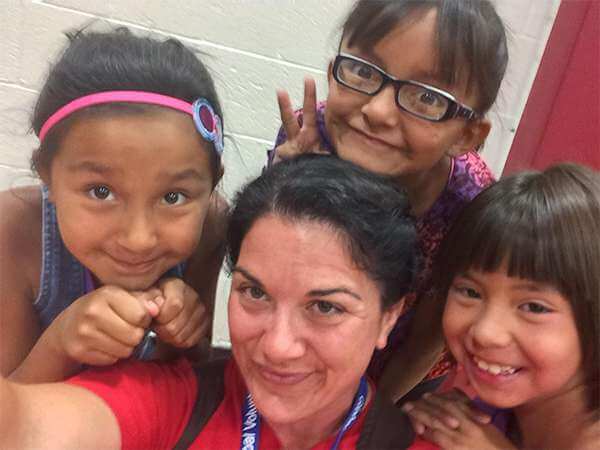
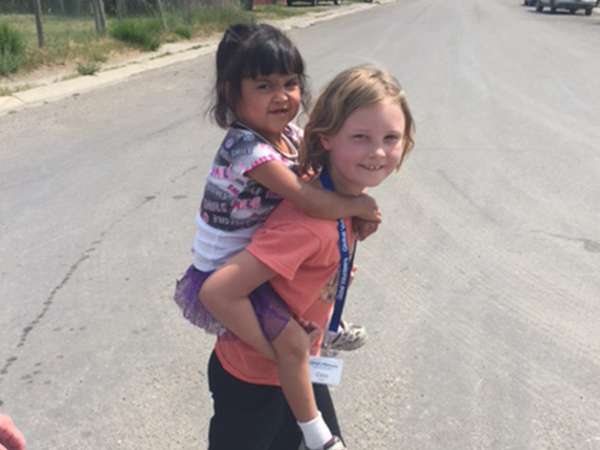
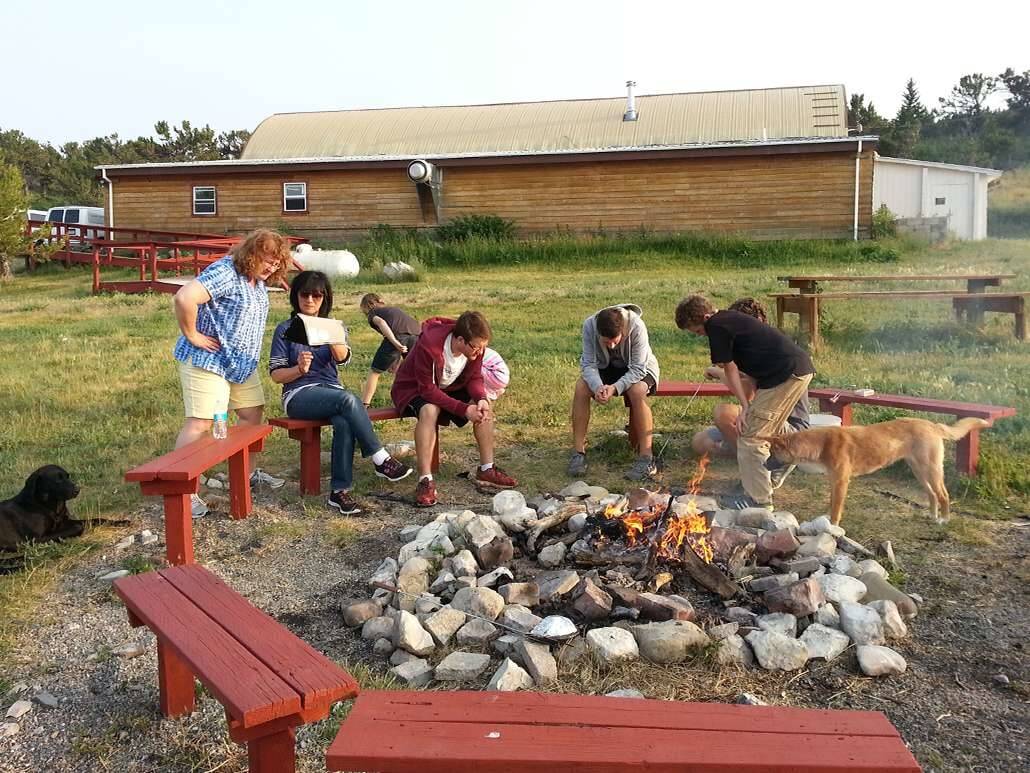
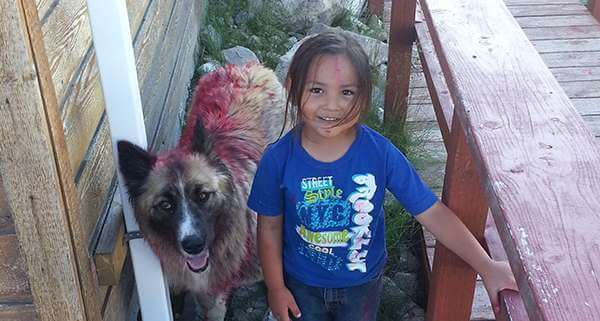
Working with local teens, tribal leaders, elders and children, you gain a rare, “insider” perspective of daily life on the reservation. Comparing notes with your teammates at the end of the day around the campfire, you reflect on the experience of volunteering together and experiencing the Indian culture as you live it.
Opportunities for high school and college groups
Read on for details on group volunteering